The Importance of Mindful Eating
Published on October 26, 2023 by Dr. Eleanor Vance

In today's fast-paced world, it's easy to fall into the habit of eating quickly and without paying much attention to our food. Mindful eating, however, offers a powerful antidote to this mindless consumption. It's about being fully present and aware of the experience of eating, from the moment we choose our food to the moment we finish our meal. By practicing mindful eating, we can develop a healthier relationship with food, improve our digestion, and even enhance our overall well-being.
Mindful eating involves paying attention to the colors, smells, textures, and flavors of our food. It means savoring each bite and noticing how our body responds to different foods. It also entails being aware of our hunger and fullness cues, so we can eat when we're truly hungry and stop when we're satisfied, not stuffed. Dr. Eleanor Vance, a registered dietitian and a core member of The Nourish Academy, suggests starting with one mindful meal a day. "Put away all distractions, such as your phone or computer, and focus solely on your food. Notice the colors, smells, and textures. Chew slowly and deliberately, savoring each bite. Pay attention to how your body feels as you eat."
Read More
Unlocking the Power of Plant-Based Proteins
Published on October 20, 2023 by Chef Marcus Bellweather
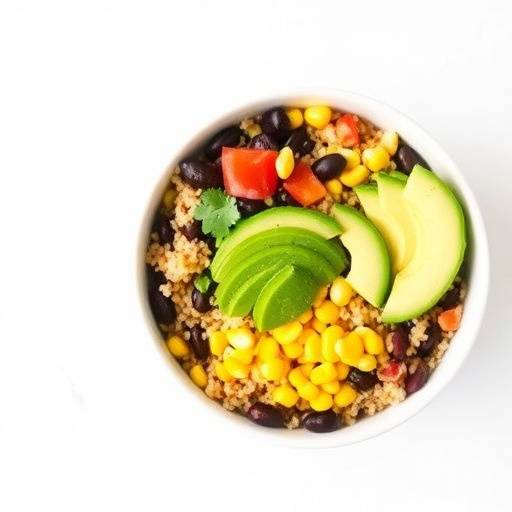
Protein is an essential nutrient that plays a crucial role in building and repairing tissues, supporting immune function, and providing energy. While animal products are often considered the primary source of protein, a wide variety of plant-based foods can also provide ample amounts of this vital nutrient. Incorporating more plant-based proteins into your diet can offer numerous health benefits, including reduced risk of heart disease, type 2 diabetes, and certain types of cancer.
Some excellent sources of plant-based protein include legumes (beans, lentils, peas), tofu and tempeh, nuts and seeds, quinoa, and whole grains. Chef Marcus Bellweather, the head chef and instructor at The Nourish Academy, emphasizes the importance of combining different plant-based protein sources to ensure you're getting all the essential amino acids your body needs. "Think about pairing lentils with brown rice, or tofu with quinoa. These combinations provide a complete protein profile, meaning they contain all nine essential amino acids." Furthermore, plant-based proteins are often rich in fiber, vitamins, and minerals, making them a nutritious and delicious addition to any diet. Chef Bellweather also highlights the sustainability aspect of plant-based eating, advocating for conscious food choices that benefit both personal health and the planet.
Read More
Navigating the Supermarket: Healthy Shopping Strategies
Published on October 15, 2023 by Sarah Chen, Nutritionist

The supermarket can be a daunting place, filled with tempting processed foods and confusing nutrition labels. However, with a little planning and knowledge, you can navigate the supermarket like a pro and make healthy choices that support your well-being. Sarah Chen, a nutritionist with The Nourish Academy, shares her top tips for healthy supermarket shopping.
"First, always create a shopping list before you go to the store," suggests Chen. "This will help you stay focused and avoid impulse purchases. Second, spend most of your time in the perimeter of the store, where you'll find the fresh produce, dairy, and meat sections. These areas typically contain the most nutritious and unprocessed foods. Third, read nutrition labels carefully. Pay attention to serving sizes, calories, fat, sugar, and sodium content. Choose products that are low in added sugar, sodium, and unhealthy fats." Chen also recommends opting for whole, unprocessed foods whenever possible, and being wary of marketing claims that can be misleading. By following these strategies, you can transform your supermarket trips into opportunities to nourish your body and support your health.
Read More
The Power of Fermented Foods for Gut Health
Published on October 10, 2023 by David Lee, Microbiome Specialist

Our gut microbiome, the complex community of microorganisms living in our digestive tract, plays a critical role in our overall health. Fermented foods, rich in beneficial probiotics, can significantly contribute to a healthy and balanced gut microbiome. David Lee, a microbiome specialist associated with The Nourish Academy, sheds light on the benefits of incorporating fermented foods into our diet.
"Fermented foods are created through a process called fermentation, where microorganisms like bacteria and yeast convert carbohydrates into other compounds, often producing lactic acid," explains Lee. "This process not only preserves the food but also creates a wealth of probiotics, which are live microorganisms that can benefit our health when consumed in adequate amounts." Examples of fermented foods include yogurt, kefir, sauerkraut, kimchi, kombucha, and miso. Probiotics can help improve digestion, boost the immune system, and even support mental health. Lee advises starting with small amounts of fermented foods and gradually increasing your intake to allow your gut to adjust. He also emphasizes the importance of choosing unpasteurized fermented foods, as pasteurization can kill the beneficial probiotics.
Read More